
Whoa!
I keep seeing wallet pop-ups that ask for approvals without any context.
Most users click through. They want speed, they want trades, and they want somethin’ that just works.
Initially I thought browser extensions were a solved problem, but then I watched a friend lose funds to a cloned extension—and that changed my view entirely.
On one hand the UX has gotten slick; on the other, the attack surface keeps growing as new DeFi contracts and layers shuffle into the ecosystem.
Seriously?
Yeah. Browser extensions are convenient and dangerous at the same time.
Medium-length permissions like «read and change data on websites you visit» are broad but common, and people rarely audit them before installing.
My instinct said: reduce trust surface, increase friction where it matters, and prefer modular setups that let you limit exposure.
Actually, wait—let me rephrase that: prioritize wallet isolation, transaction clarity, and approval minimization over pure convenience.
Here’s the thing.
A secure wallet strategy isn’t just about the phrase or the seed.
You need to think about how the extension interacts with webpages, which RPC endpoints it trusts, and when it signs transactions.
Those interactions can leak metadata, grant allowances, or even hijack flows when malicious scripts are present, and that risk compounds across dozens of dApps you use.
So we’ll walk through practical, real-world steps you can take today to harden an Ethereum browser extension wallet without becoming a full-time security ops person.
Start with basics: seeds, passwords, and device hygiene
Wow!
Store your seed safely—offline if possible.
Don’t screenshot it or email it to yourself.
Use a password manager for extension passwords and, where possible, enable a local passphrase that encrypts your mnemonic on disk.
If a hardware wallet is an option for you, pair it with your extension, because signing on-device keeps private keys out of the extension’s memory space and dramatically reduces remote-exploit risk.
Hmm…
Check extension provenance before installing.
Open-source projects with verifiable repositories and a history of audits are preferable.
I prefer wallets that separate key management from UI logic so you can replace the frontend while keeping your keys intact.
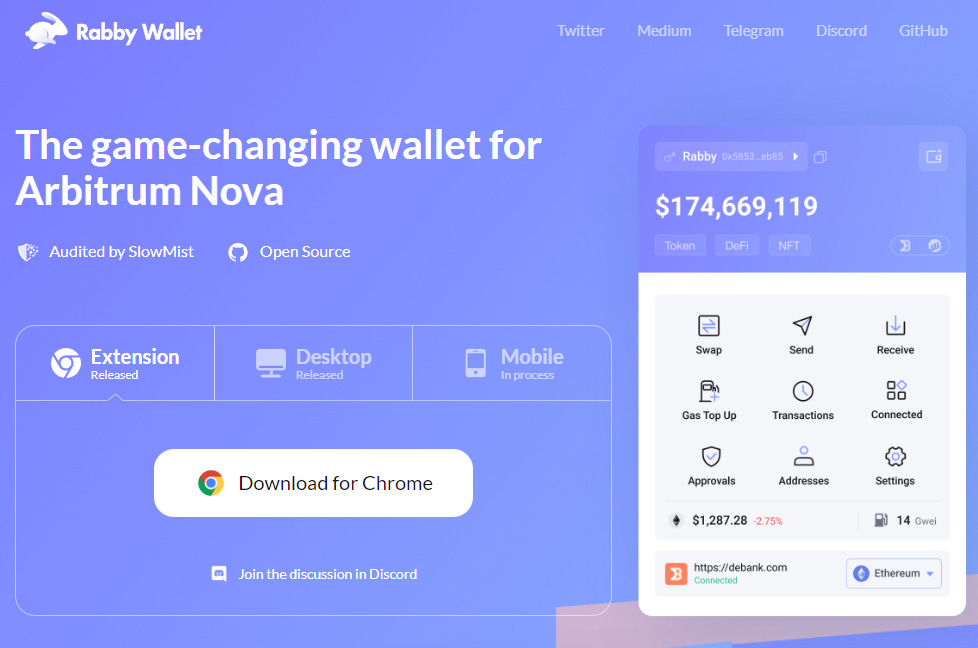
One wallet that does a solid job on UX and safety trade-offs is rabby wallet, which integrates hardware support and clearer transaction previews—so you see what a contract call will actually do before signing.
Okay, a quick practical rule: less allowance is better.
Many DeFi flows ask you to approve token contracts unlimited spend.
That is convenient and terrifying.
On one hand unlimited allowance lets you trade without repeated approvals; though actually, a limited allowance prevents a single compromised dApp from draining your entire balance if a contract is later exploited.
Make a habit of setting allowances to the minimum required amount and periodically revoke approvals for dApps you no longer use.
Here’s another thing that bugs me about approvals.
People conflate signing a message with trusting a contract.
Signing is not just authentication; it can trigger on-chain actions that you might not expect.
So slow down and read the transaction details.
If you can’t understand what a contract interaction will do in plain English, open the contract code on a block explorer or ask a more technical friend before you press confirm.
My approach is pragmatic.
Use a burner wallet for high-risk interactions and keep your main wallet for long-term holdings.
That way, when you try a dicey contract or a new token claim, you put only a tiny amount at risk.
It’s a simple compartmentalization tactic, and honestly, it makes on-chain experimentation less stressful.
(oh, and by the way…) hardware wallets can be paired with burner wallets too—just keep the seed of your long-term wallet offline.
There are also technical mitigations that most users can follow.
Prefer RPC endpoints run by reputable providers or run your own if you can.
Public, compromised RPCs can return manipulated data or phish signing payloads through malformed responses, and although rare, such attacks exploit the implicit trust between your wallet and the node it queries.
On the network side, EIP-1559 helps with fee predictability but doesn’t change signing semantics; always double-check gas and recipient addresses before confirming transactions.
Something felt off about transaction pop-ups a while back.
So I started verifying contract interactions manually.
That meant checking the «to» address, method signature, and token amounts on a separate block explorer window.
Initially it felt tedious, but over time it became second nature and prevented a risky approval once—worth the few extra seconds, absolutely.
My advice: make manual verification part of your routine until UI patterns improve across dApps.
Browser extension hygiene and operational practices
Whoa!
Limit the number of installed extensions.
Each extension increases your attack surface because malicious or compromised extensions can intercept pages and alter DOM elements that trick wallets into signing bad transactions.
Keep only extensions you actively use, and periodically audit permissions in your browser settings.
If you rely on a wallet extension heavily, consider dedicating a separate browser profile just for web3, which reduces cross-extension interference.
I’m biased, but I think multi-factor culture belongs in DeFi too.
Extensions don’t support typical 2FA for signing, but you can still benefit: split responsibilities by using hardware devices, multisig contracts, or time-delayed guardians for large holdings.
Multisig, in particular, raises the bar for attackers because they need to compromise multiple keys.
That said, multisig introduces operational overhead, so weigh trade-offs with your actual threat model.
Here’s a neat tip many folks miss.
Use transaction simulation tools before you sign complicated interactions.
Simulators let you preview state changes and token flows, which helps spot harmful redirects or stealthy drain functions.
Also, check approval revokers and allowance trackers periodically; revoke unused approvals so old dApps can’t access tokens later.
Those small housekeeping tasks are low effort and high reward.
Quick FAQ
How do I recover my wallet if my browser extension is gone?
Restore from your seed phrase using any compatible wallet that supports the same derivation path.
If you used an additional local passphrase, you’ll need that too—without it recovery can fail.
Be careful when restoring: only use known, verified extensions or official apps on a clean device to avoid exposing your seed to malware.
Can I trust transaction previews shown by extensions?
They help, but they aren’t foolproof.
Advanced contracts can obscure intent with encoded data, and some previews only show token amounts without revealing allowance changes.
Cross-check with a block explorer or a transaction decoder, and when in doubt simulate the tx to see the expected outcome before signing.